02 Dec 2025
Historic air raid damage uncovered during Leeds Town Hall transformation
Damage caused by a devastating Second World War air raid more than 80 years ago has been uncovered during the major redevelopment of historic Leeds Town Hall.
The true impact of the 1941 blast had been hidden behind repair work carried out in the aftermath of the bombings, before being exposed during recent work on the iconic building’s eastern wing.
The extent of the damage coupled with the poor-quality and ageing post-war repairs has meant urgent new modern structural work has been required to make the building safe and preserve its character for future generations.
This essential additional work along with the unanticipated replacement of a number of existing floor structures will mean the reopening of the building is now expected to take place around the end of 2026.
Records show the German Luftwaffe bombarded Leeds city centre through the night of March 14-15, 1941, in what was dubbed The Quarter Blitz, killing 65 people and severely damaging cherished buildings including the Grade I listed town hall.
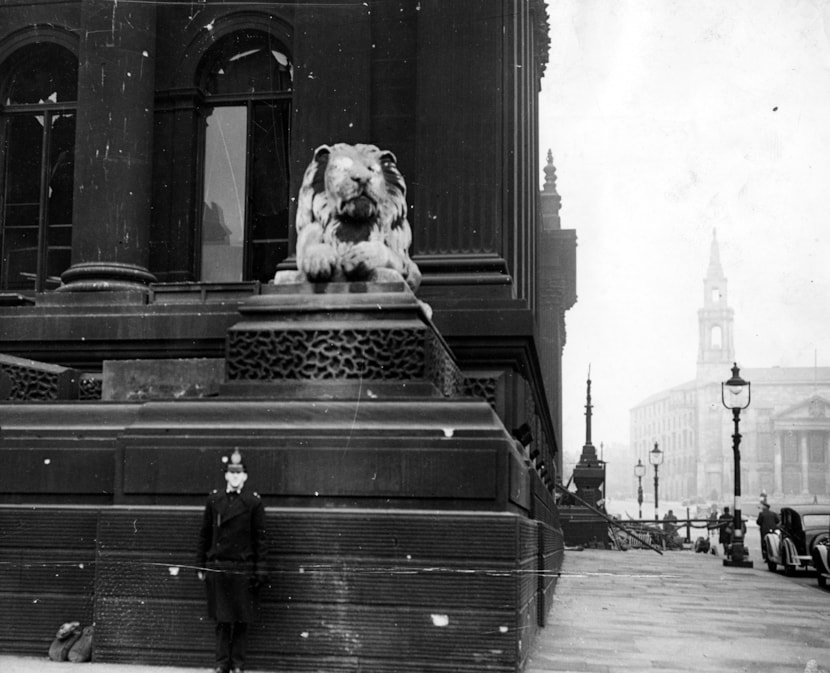
The dramatic raids proved catastrophic for the town hall’s Calverley Street entrance and even caused a huge part of the building’s roof to collapse inwards.
Photos taken at the time show both the scale of the damage and the mammoth clean-up effort which followed at a building which was then and continues to be a symbol of the city.
The landmark project which will see the town hall redeveloped is being carried out by construction partners Kier and will include the creation of a stunning new accessible entrance, box office and bar.
Dan Doherty, regional director for Kier Construction North and Scotland, said: "With heritage building projects, it's often only once construction begins that we start uncovering layers of history and discovering unexpected aspects of the building’s story - and this of course means we have to adapt our original plans.
“Even as we uncover these elements of the building’s heritage, the priority remains the same – working closely with Leeds City Council to create a modern, welcoming and accessible Leeds Town Hall, while protecting the key features which have made it such a stunning and beloved focal point for the city for more than 160 years.”
Conservation and repair of key features including stone masonry, delicate plasterwork and doors also aim to protect and preserve the building’s key heritage features.
Separately, the famous Leeds Town Hall organ is being lovingly refurbished by specialists, which will give it an improved sound during concerts and performances.
When completed, the redevelopment will enable the venue to host a bigger and more ambitious programme of accessible events and performances while generating important income for both the council and the wider local economy.
Opened in 1858 by Queen Victoria, Leeds Town Hall was designed by famed architect Cuthbert Brodrick.
One of the largest town halls in the United Kingdom, the building stands an impressive 225 feet and was the city’s tallest building for 108 years.
Councillor Salma Arif, Leeds City Council’s executive member for adult social care, active lifestyles and culture, said: “Leeds Town Hall occupies a completely unique and cherished place in the story of the city and it’s fascinating to hear how the redevelopment of this remarkable building is progressing.
“Once completed, the Leeds Town Hall project will also ensure the city has a world class performance space at the heart of one of its key heritage buildings which can welcome audiences for many more generations to come.”
More information and updates on Leeds Town Hall, including upcoming events and how you can support the building by making a donation and being part of fundraising, can be found at: www.leedstownhall.co.uk/support-us
ENDS
For media enquiries contact:
Leeds City Council Communications team
communicationsteam@leeds.gov.uk